According to Vietnam Government Portal (en.baochinhphu.vn), published on 29 October 2026, Viet Nam’s total merchandise trade was estimated at US$1,010.6 billion for January–October 2026 — up 32.3% year-on-year, as reported by the Ministry of Industry and Trade.
What This Means for Shipment Planning
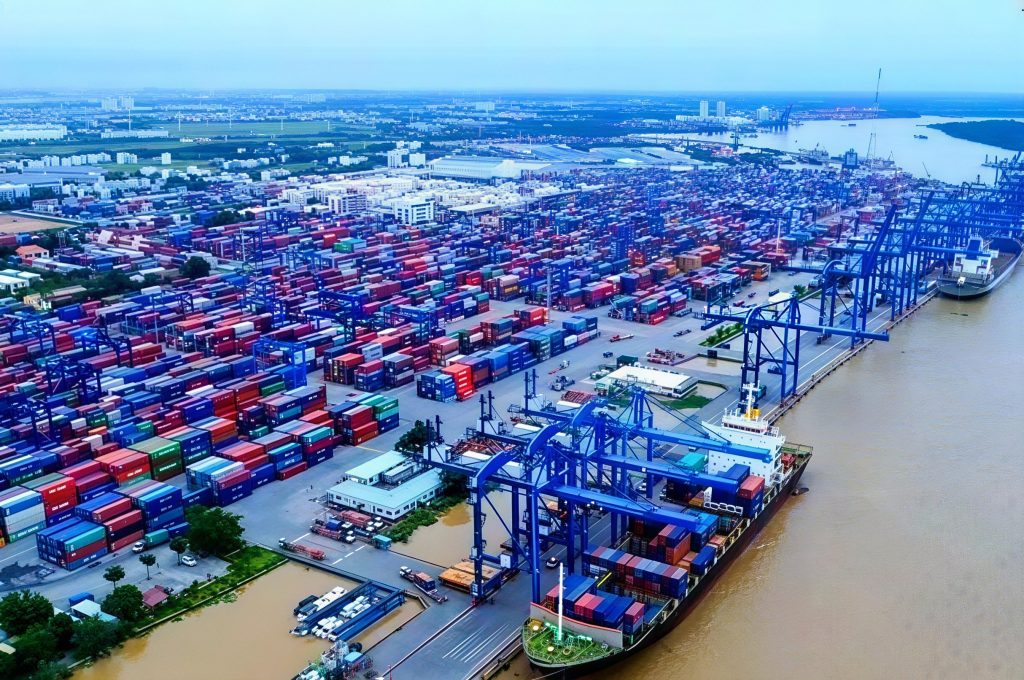
This milestone reflects heightened export-import activity, potentially affecting port congestion, container availability, customs processing volumes, and inland transport demand. Shippers may need to reassess lead times, documentation readiness, and carrier capacity allocation — especially for key export sectors such as electronics, textiles, footwear, and agricultural products.
Key Questions for Logistics Teams
- Are current transit time estimates still realistic given increased trade volume at major ports like Cát Lái, Cái Mép, and Hải Phòng?
- Has customs clearance duration changed for HS codes commonly used in Viet Nam’s top export categories?
- Are there updated requirements for origin certification, phytosanitary documentation, or e-customs submissions that align with this growth trend?
- How are freight forwarders adjusting booking windows and equipment reservations amid rising demand?
Sources & further reading
Confirm cargo acceptance, current requirements and the complete service scope with the team reviewing your shipment.