Your connection between China & VietnamCross-border expertise since 2007
SHIPPING INSIGHTS

Machinery Freight Quotes: Dimensions, Weight and Photos

Prepare packed dimensions, gross weights and matching photos for each item before sending a machinery freight enquiry.

Before requesting a machinery freight quote, prepare a record for each packed item. Keep measurements, gross weights and matching photos together so the logistics team can review the same information.

1. Measure and Record Each Package Separately

For every item:

  • Record packaged dimensions (length × width × height) in centimeters or inches;
  • Record gross weight per package in kilograms or pounds;
  • State the total number of packages;
  • Clearly distinguish equipment dimensions (unpacked) from packaged dimensions—list both if available.

2. Match Photos to Your Data Table

Assign a unique photo number (e.g., IMG-01, IMG-02) to each image. Ensure that:

  • Each photo corresponds to one entry in your data table;
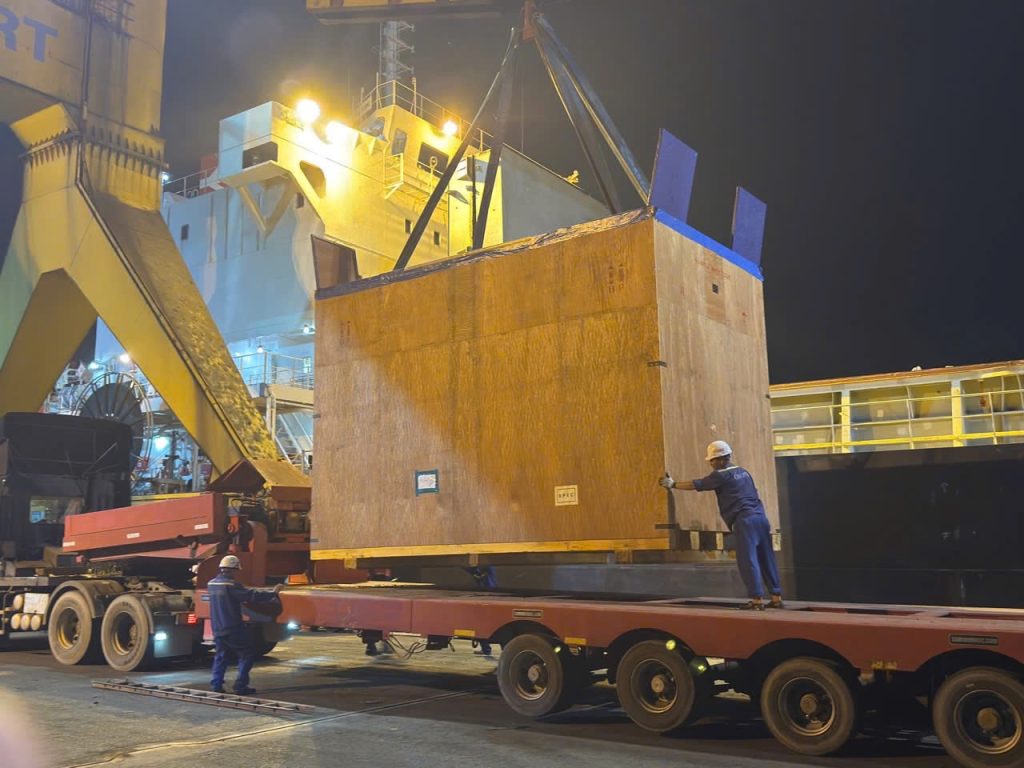
  • You include representative views: overall cargo layout, close-ups of packaging, visible dimension markings (e.g., tape measure or labeled tags), and loading/unloading site conditions.

3. Handle Uncertain or Changing Information Responsibly

Do not estimate or invent missing values. Mark any unconfirmed data as “To be verified”. If packaging is revised after initial documentation, update all related measurements, weights, and photos accordingly.

4. Protect Sensitive Information in Photos

Before sharing or publishing images, review each one and redact or obscure any visible customer names, order numbers, addresses, internal labels, or other non-public identifiers.

5. Next Step: Submit to GDONG Logistics

Send the completed records to GDONG Logistics for review. Tell the team which details still need confirmation and update the records if packaging changes. Transport arrangements and service availability need to be confirmed after the information is reviewed.
Confirm cargo acceptance, current requirements and the complete service scope with the team reviewing your shipment.
SHIPPING INSIGHTS

Shipping from China to Vietnam: where to start

A practical planning guide to China-Vietnam shipping: choosing a transport mode, preparing cargo details and comparing complete freight quotes.

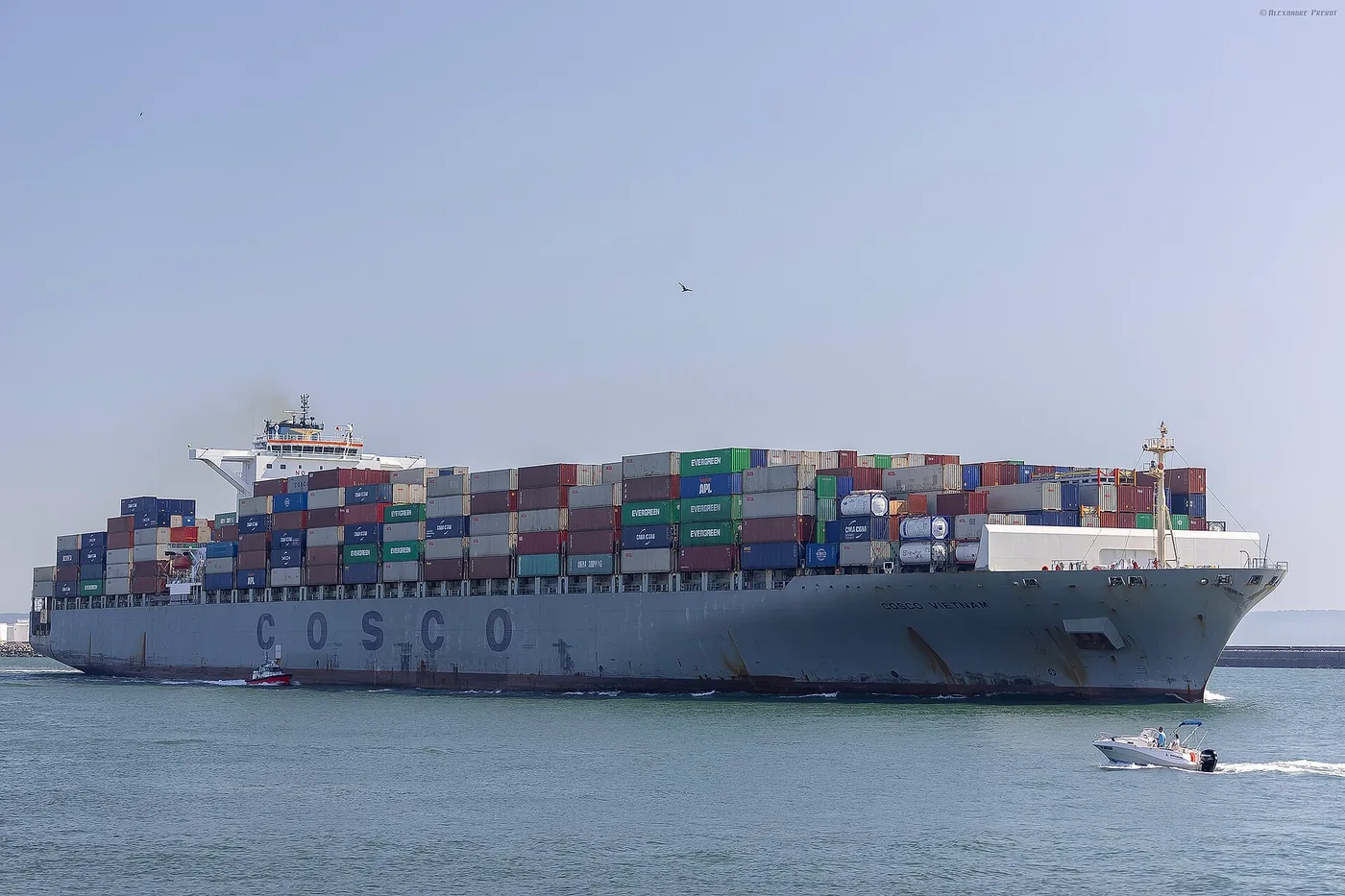
COSCO VIETNAM container ship underway

1. Define the shipment

List your commodity, package count, dimensions and gross weight. Add the pickup address, cargo-ready date and full delivery address in Vietnam. Product photographs or specifications help the handling team understand any special requirements.

2. Compare the modes

Road freight offers FTL and consolidated options for cross-border cargo. Sea freight offers FCL and LCL options for larger or planned orders. Air freight is worth assessing when urgency justifies the transport cost. The best fit depends on the complete journey and cargo profile.

3. Agree on responsibilities

Check the agreed trade terms with your supplier and consignee. Establish who arranges collection, export handling, freight, import handling, taxes and delivery. Ask for a written scope rather than assuming every quotation includes the same items.

4. Review documents before loading

Prepare the commercial invoice and packing list, and share product information early. Document requirements depend on the goods and transaction. Resolve questions with the relevant handling team before the shipment leaves the supplier.

5. Work backward from the required delivery date

Include cargo preparation, collection, terminal or border processing and local delivery when planning timing. A sailing or flight duration is only one stage. Ask which milestones you will receive updates on during the movement.

Confirm cargo acceptance, current requirements and the complete service scope with the team reviewing your shipment.
SHIPPING INSIGHTS

FCL or LCL? Choosing sea freight to Vietnam

Understand how FCL and LCL differ when planning ocean freight from China to Vietnam, including handling, cargo volume and quotation scope.

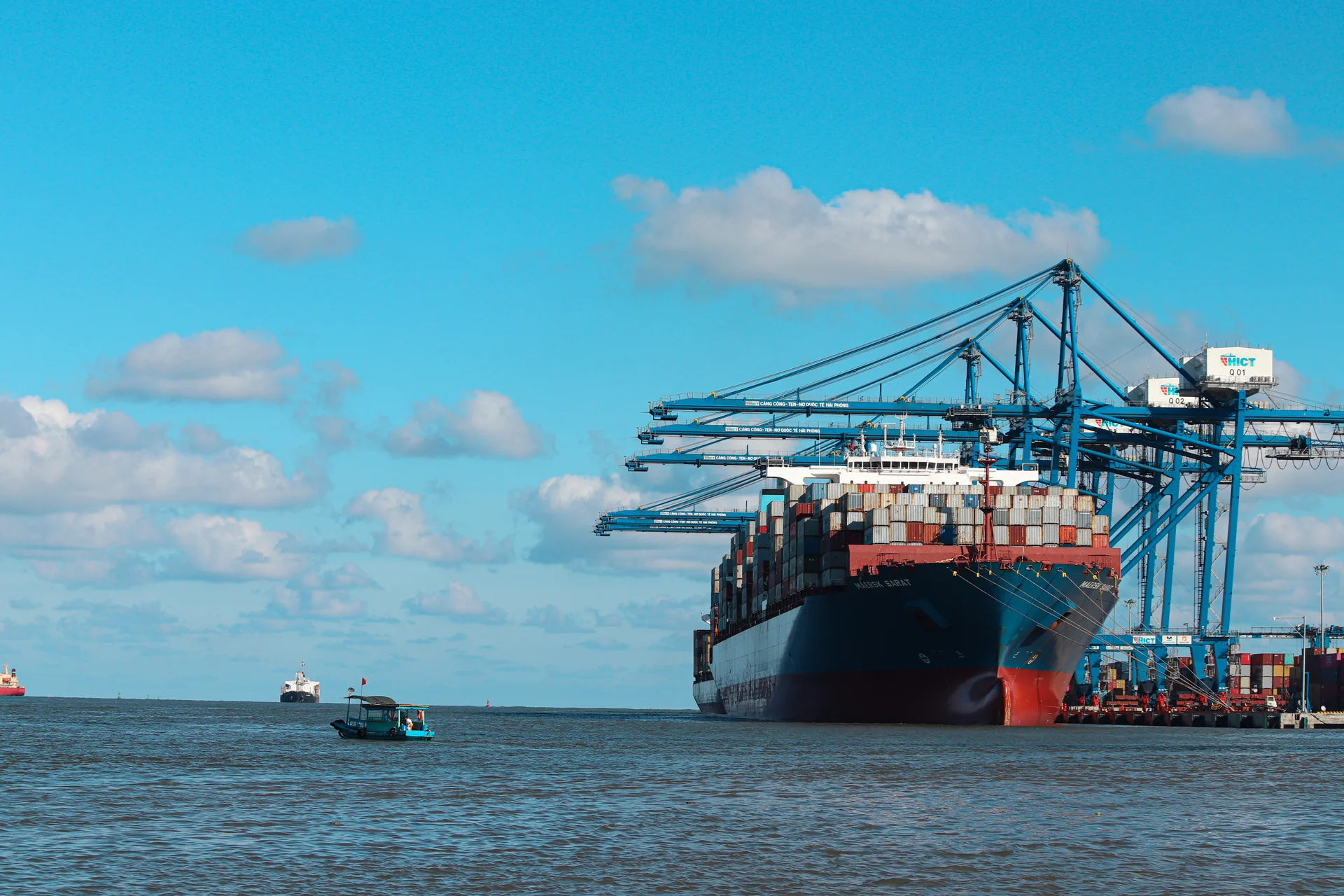
Container ship and quay cranes at Hai Phong International Container Terminal, Vietnam

What FCL means

Full container load gives a shipment use of a dedicated container. It can suit larger orders or cargo that benefits from fewer consolidation stages. Actual suitability depends on container type, loading dimensions and weight limits for the proposed movement.

What LCL means

Less-than-container load combines shipments from different shippers. It can make smaller sea freight shipments practical, but origin consolidation and destination deconsolidation become part of the handling plan.

Compare the whole quotation

Ask for origin charges, main freight, destination handling, release and any agreed final delivery. A low headline ocean rate does not describe the complete shipment cost. Check the charge basis and exclusions in each quote.

Look at handling and packaging

Shared freight passes through consolidation handling. Cargo needs packaging appropriate to its journey. For fragile, awkward or high-value goods, share details early and ask about the proposed handling method.

Make the decision with your cargo details

Send the package count, dimensions, weight and cargo-ready date. Ask for both options when the shipment size makes either plausible. Compare the proposed schedule, handling scope and complete price rather than using a universal volume threshold.

Confirm cargo acceptance, current requirements and the complete service scope with the team reviewing your shipment.
SHIPPING INSIGHTS

What to include in a Vietnam freight quote request

Use this shipment checklist to request a clearer China to Vietnam freight quote with origin, destination, cargo and handling details.

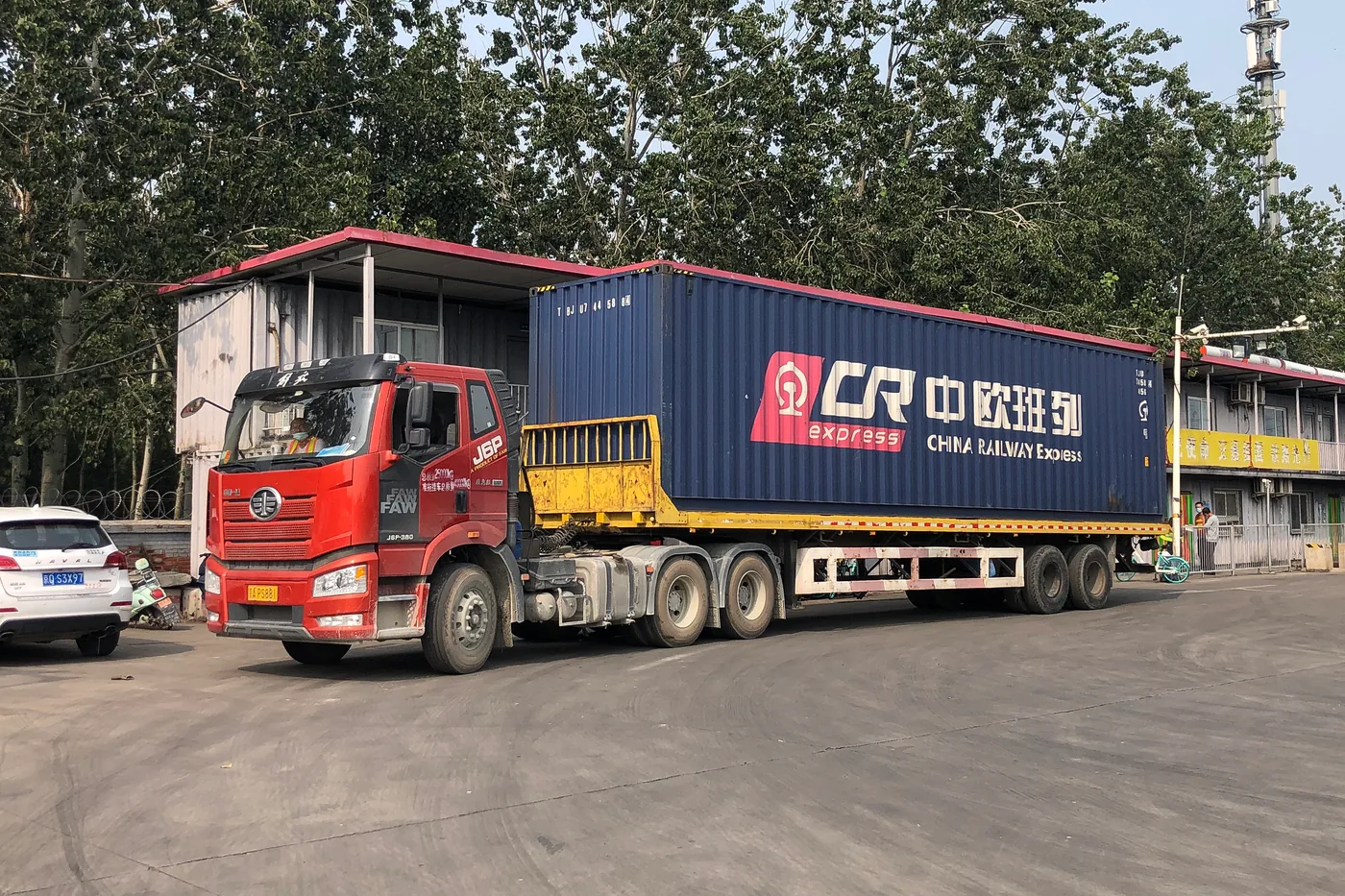
FAW container truck at a freight yard in China

Origin and destination

Provide the complete pickup and delivery addresses, including the facility name and contact. State whether collection or delivery must meet an appointment and describe any vehicle access restrictions.

Cargo and packaging

Include the commodity, number of packages, packaging type, gross weight and dimensions of each package. Mark whether the cargo is stackable and whether loading or unloading equipment is available.

Special characteristics

Mention batteries, liquids, magnets, fragile goods, oversized dimensions or other special features. Provide specifications or photographs so cargo acceptance and handling can be assessed before booking.

Commercial arrangements

State the agreed trade terms if known, identify the importer and say which services you want included. Ask for duties, taxes and any excluded destination charges to be clearly identified.

Timing and preferred service

Share your cargo-ready date and required delivery date. If you are open to alternatives, ask for a comparison of suitable road, sea or air options. A clear priority helps the planner balance timing and cost.

Confirm cargo acceptance, current requirements and the complete service scope with the team reviewing your shipment.
LET'S MOVE YOUR BUSINESS FORWARD

Your next shipment starts here.

Tell us what you are shipping. We'll help plan the way.

Talk to our team